
2 hr 30 min
Budapest Food Walking Tour with Local Guide
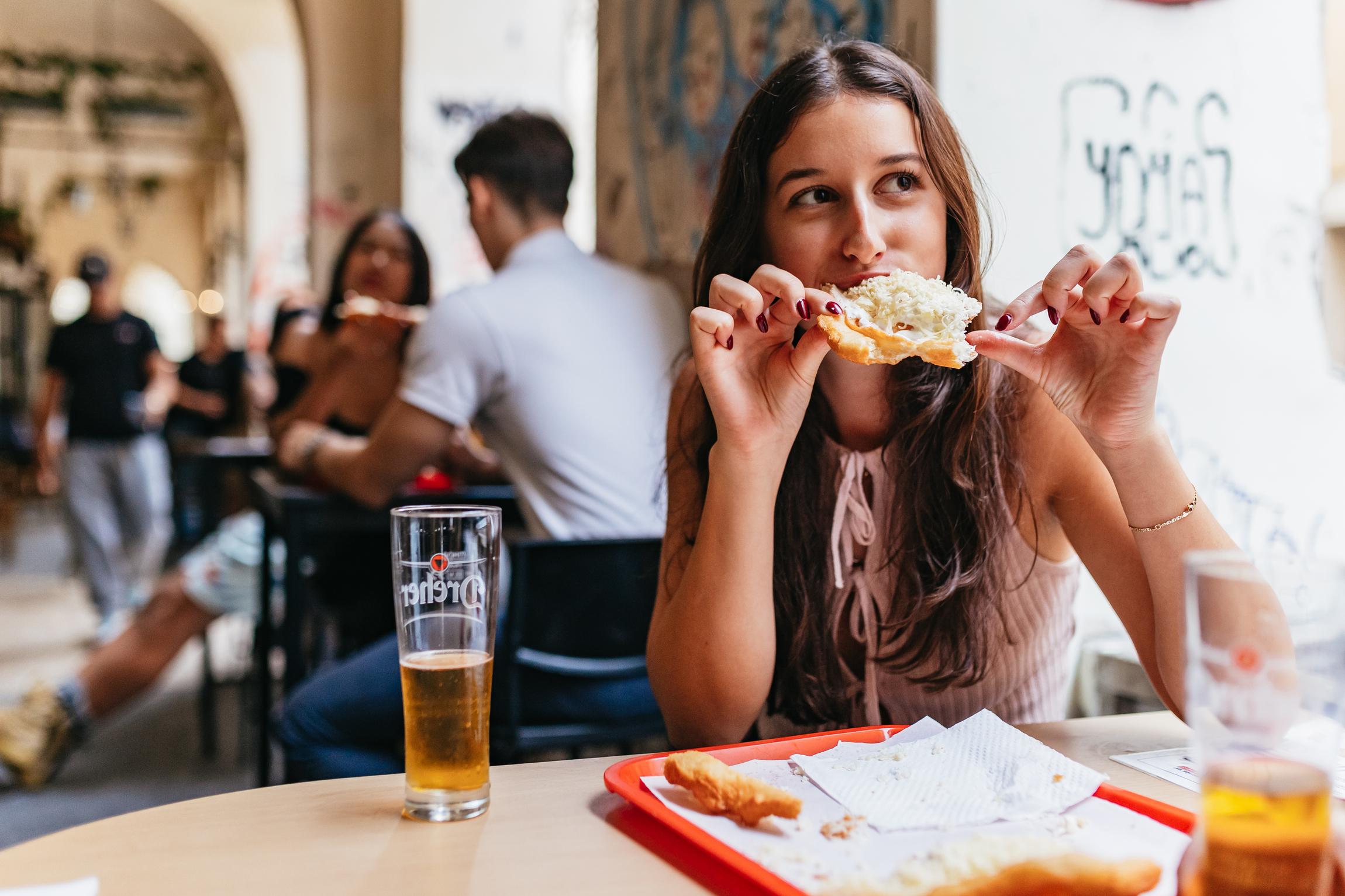
Discover Hungarian flavors through street eats and sit-down meals in the vibrant Jewish Quarter
Reserve
From paprika vendors to Tokaji cellars, taste the capital in twenty bites
Hand-picked by our editors — only the best 5 experiences from 47 reviewed.
Verified partners for every tour, free cancellation where available, and instant confirmation on every booking.
2 hr 30 min
Discover Hungarian flavors through street eats and sit-down meals in the vibrant Jewish Quarter
Reserve
3 hr
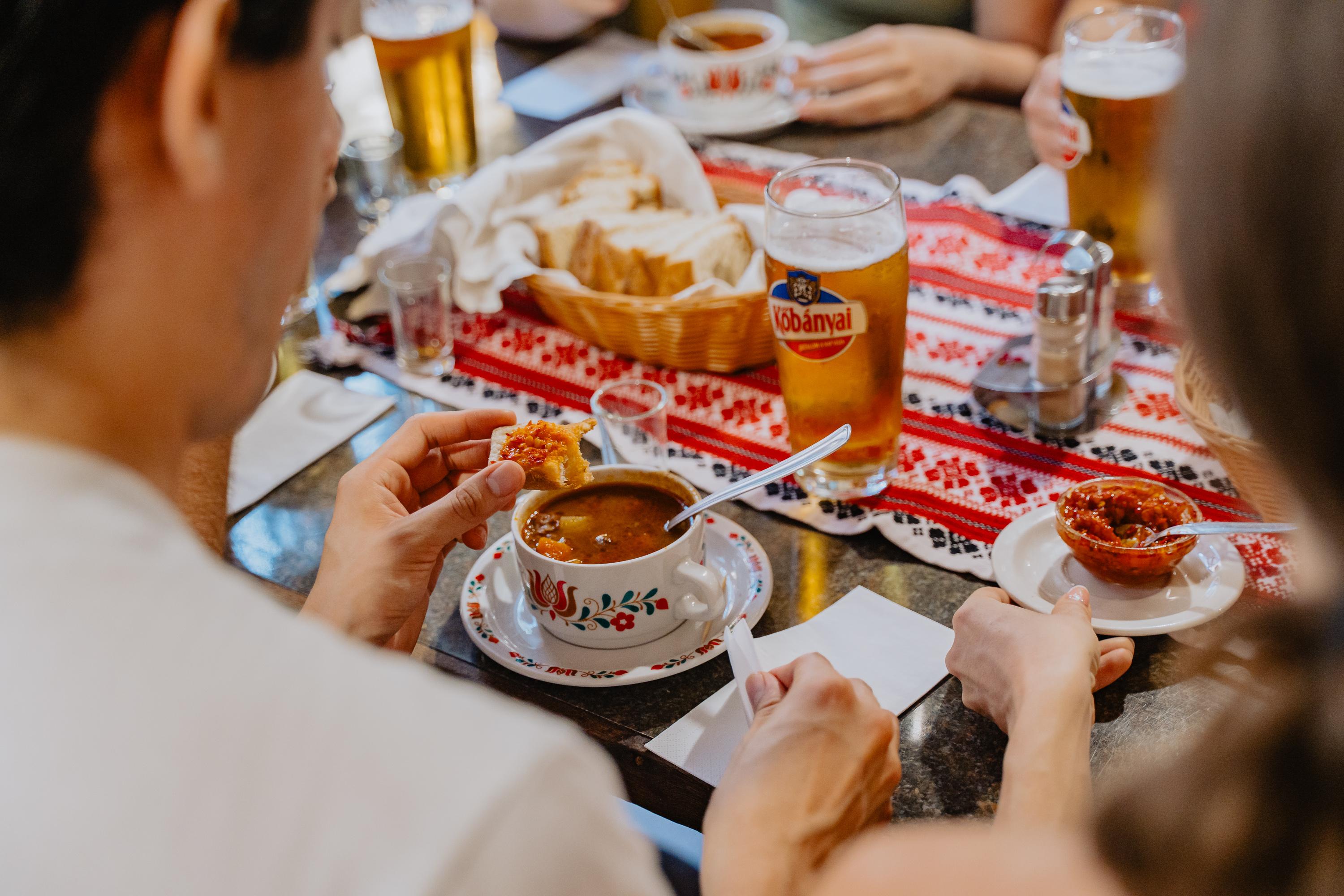
Explore Hungarian cuisine with 12+ tastings, wines, and local spirits across authentic Budapest venues
Reserve
1 hr 30 min
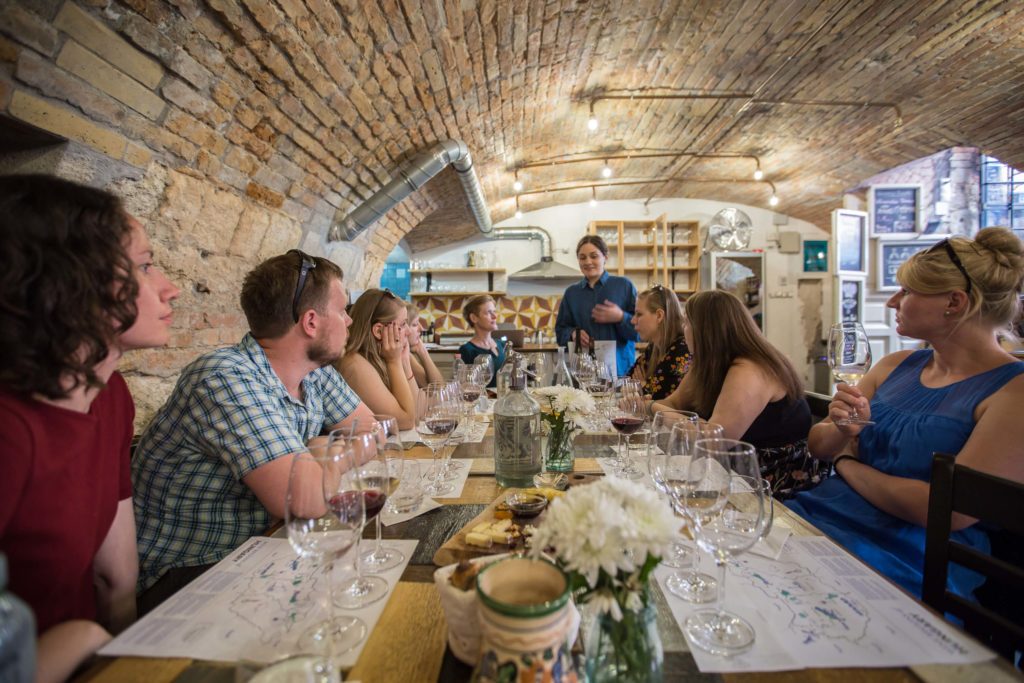
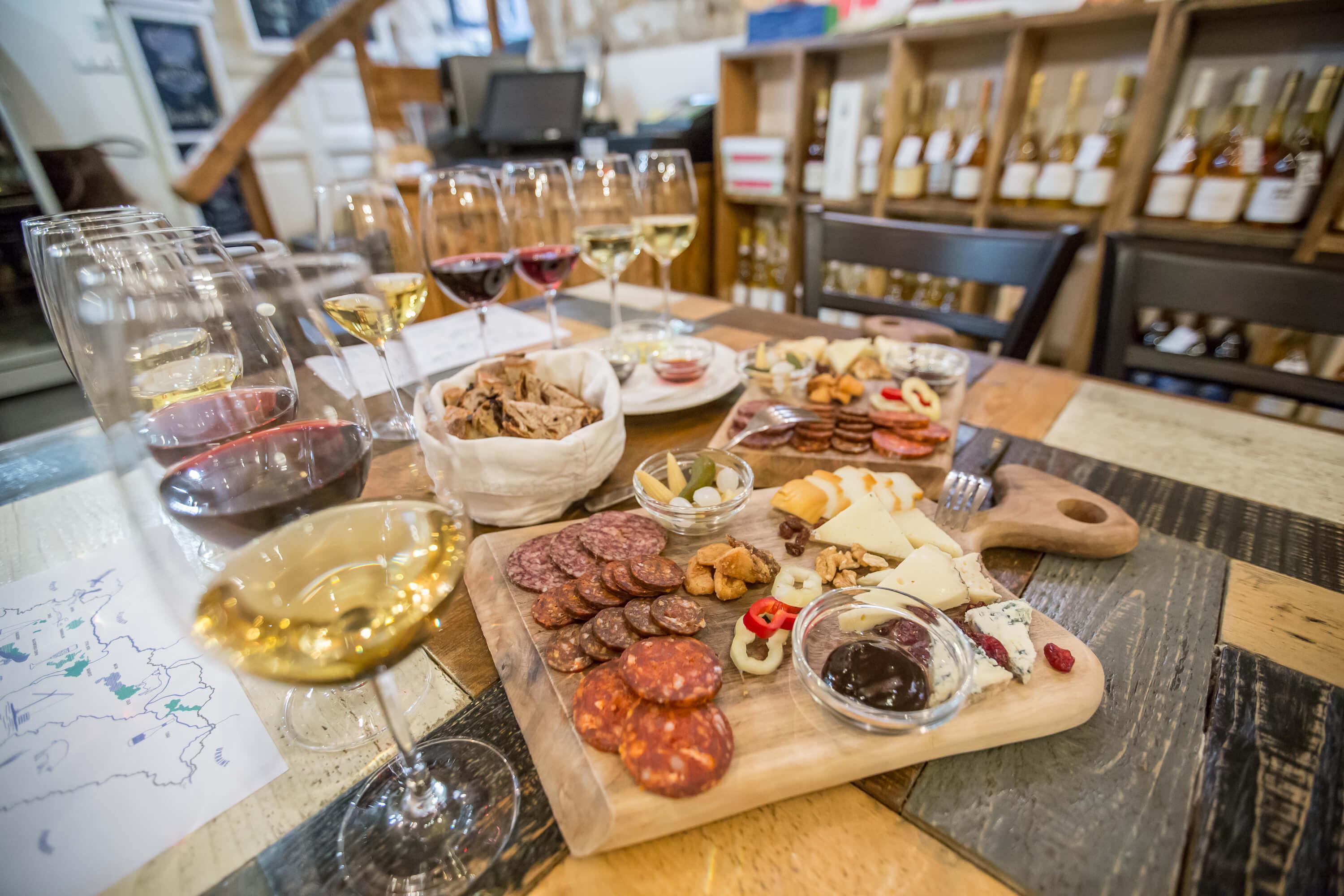
Discover Hungary's wine heritage through five expertly selected wines paired with artisan cheeses and meats
ReservePrices from verified partners. Availability updates in real time at checkout. Free cancellation policies apply where shown.
The landmarks, rooms, and views travelers on this tour remember — all visible on a single visit.
Features high iron ceilings and a vibrant atmosphere with three levels of vendors.
The guided option provides deep cultural immersion, whereas the independent approach offers total flexibility for your schedule; most visitors who do both find the organized budapest food and wine tour more insightful for local culinary traditions.
| Feature | Top pick Guided Tour | Independent Exploration |
|---|---|---|
Structure |
Pre-planned itinerary | Go at your own pace |
Depth of culinary knowledge |
Expert local commentary | Rely on personal research |
Cost |
Varies by package | 0 HUF entry fee |
Ability to customize tastings |
Curated menu selection | Choose items at will |
Convenience |
All logistics handled | Manage own navigation |
| See tickets → |
Verdict: If you prioritize expert context and curated flavors, opt for a budapest food and wine tour tour, but choose independent visits if you prefer unrestricted access to the Great Market Hall stalls.
Choose your ticket, select your date, and reserve in under two minutes. Secure checkout handled by our verified partner.
Instant confirmation by email, with a mobile voucher you can save offline. No printing, no queuing at a collection desk.
Arrive at the entrance, show your voucher on your phone, and walk in. Most tickets include priority or skip-the-line access.
Best time to go, insider tips, nearby landmarks, and the cancellation fine print — flip through to skim what matters to you.
How crowds, weather, and events shift across the year.
September weather is mild and comfortable for indoor exploration. The market is less crowded than in summer peak months.
Small details that turn a good visit into a great one.
Bring Hungarian Forints, as smaller vendors may prefer cash payments.
Non-bookable sights within a short walk — free to visit, easy to pair.
A historic steel bridge connecting Buda and Pest sides.
Flexible, no hidden fees.
As this is a public market with free entry, individual stall purchases are final. For a guided budapest food and wine tour, check specific operator terms for refund eligibility.
Hand-picked options within walking distance — pick a district for vibe, or a specific hotel for convenience.
Various options located in the surrounding neighborhood.
The Great Market Hall opened in 1897 as the largest of five municipal markets designed by architect Samu Pecz, its wrought-iron frame and Zsolnay-tiled roof spanning 10,000 square metres across three storeys. While foreign visitors photograph pyramids of paprika on the ground floor, locals navigate the mezzanine for hand-rolled pasta and quince preserves sold by vendors whose families have held the same stalls since 1960. The hall anchors Budapest's culinary quarter along Vámház körút, where barrel-makers once supplied the riverside wine trade and fishmongers gutted carp for Friday markets. Hungarian viticulture predates the Ottoman occupation by a millennium. Tokaji Aszú, the amber dessert wine that Louis XIV called the wine of kings, emerged from the volcanic soils of Zemplén in the 1630s through a controlled noble-rot process still replicated in regional cellars. Today's Budapest food and wine tour routes trace this lineage from market to tavern, pairing sheep-milk cheese from Kalocsa with six-puttonyos Tokaji or matching Csabai salami with bold Villány Cabernet Franc. The format reflects the Hungarian vendéglő tradition: seated tastings punctuated by storytelling, not standing consumption. Chimney cake—kürtőskalács—arrived with Transylvanian refugees in the 1700s and became the capital's street-food signature by 1900. The dough spirals around wooden dowels over charcoal, caramelising into a cinnamon-scented cylinder sold hot from Váci Street carts. Modern workshops let participants roll, bake, and coat their own, though purists insist the authentic version demands beechwood ember heat, not electric coils. A Budapest food and wine tour incorporating a kürtőskalács stop bridges guild craft and contemporary tasting culture, illustrating how a refugee pastry became civic identity within three generations. The 2020s revival of ruin-bar dining halls—Szimpla Kert, Mazel Tov—introduced farm-to-table menus in spaces once earmarked for demolition, their mismatched furniture and exposed brick now backdrops for tasting flights of Somló Juhfark and Eger Bikavér. These venues function as informal culinary schools, servers reciting varietal origins and fermentation timelines between pours. Their popularity reflects broader post-2010 interest in regional designation and protected-origin labelling, a legislative framework that codified twenty-two Hungarian wine regions and thirty-two appellations, turning geographic specificity into marketable knowledge for both resident and visitor.
"Tokaji Aszú emerged from volcanic soils through a controlled noble-rot process still replicated in regional cellars."
Yes, various local operators provide guided experiences for groups and individuals.
The ground floor is accessible, though the upper and basement levels may be difficult for some guests.
Bring comfortable shoes, cash in HUF, and a camera for your budapest food and wine tour.
Yes, photography is welcome throughout the Great Market Hall.
Yes, you can discover traditional items like paprika, salami, and local wine.
Yes, Liberty Bridge and other historic landmarks are within short walking distance.